Menu
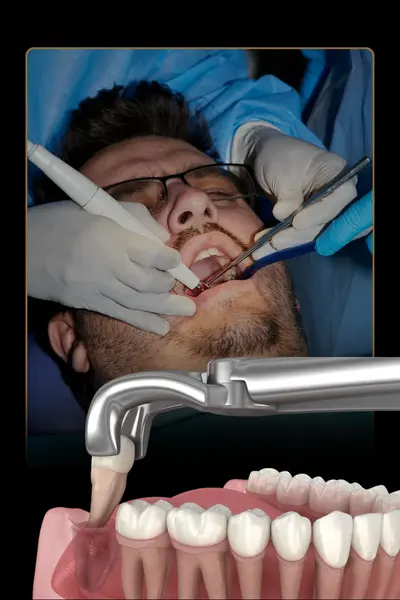
Wisdom teeth, clinically known as third molars, are the last set of teeth to erupt usually between the ages of 17 and 25. For some people, wisdom teeth come in without causing any problems. For many others, however, they can lead to pain, infection, crowding, or long-term oral health complications.
This raises a common and important question: Is wisdom tooth removal always necessary, or can it be avoided? The answer depends on several clinical factors, which only a thorough dental and radiographic evaluation can determine.
In this blog, we break down when wisdom tooth extraction is truly required, when it can be safely avoided, and why timely intervention matters for your overall oral and facial health.
Wisdom teeth are evolutionary remnants from a time when human jaws were larger and diets were tougher. Modern jaws, however, often lack the space needed to accommodate these additional molars. As a result, wisdom teeth frequently erupt in abnormal positions or remain partially or fully trapped beneath the gums.
When wisdom teeth do not erupt properly, they may become impacted, leading to a range of dental and maxillofacial issues.
Not all wisdom teeth require removal. However, extraction becomes necessary when they pose a risk to oral health or overall well-being. Below are the most common clinical scenarios where wisdom tooth removal is recommended.
An impacted wisdom tooth is one that fails to emerge fully through the gums. It may be:
Impacted wisdom teeth can cause:
In such cases, surgical wisdom tooth extraction is often the safest and most effective solution.
If you experience repeated pain, swelling, bad breath, or pus discharge near the back of your mouth, it may indicate infection around a partially erupted wisdom tooth. These infections tend to recur and worsen over time if left untreated.
Chronic infection is a clear indication for wisdom tooth removal, as antibiotics alone offer only temporary relief.
Wisdom teeth that erupt at an angle can press against neighboring molars, increasing the risk of:
Over time, this pressure can compromise otherwise healthy teeth, making extraction necessary to preserve long-term dental health.
For patients undergoing braces or aligner treatment, wisdom teeth can interfere with orthodontic results. Limited jaw space may lead to crowding or shifting of teeth, undoing months or years of orthodontic correction.
Dentists and orthodontists often recommend preventive wisdom tooth extraction to maintain alignment and protect orthodontic outcomes.
In some cases, impacted wisdom teeth may lead to the formation of cysts or, rarely, tumors. These can damage surrounding bone, nerves, and teeth, requiring advanced oral and maxillofacial surgery to correct.
Early diagnosis and removal significantly reduce the risk of such complications.
Not every wisdom tooth needs extraction. Removal may not be necessary if:
Regular dental check-ups and digital imaging help monitor such teeth over time to ensure they remain problem-free.
One of the biggest misconceptions about wisdom teeth is waiting until pain becomes unbearable. By then, complications may already be advanced.
Early evaluation using digital scans and X-rays allows dentists to:
Proactive care often results in smoother procedures and better outcomes.
Modern dentistry has transformed wisdom tooth extraction into a safe and predictable procedure.
At advanced dental centres, the process typically involves:
Post-procedure recovery is usually quick, especially when extraction is done early and by experienced specialists.
At DeVita Dental and Maxillo Facial Care, wisdom tooth extraction is approached with precision, compassion, and clinical excellence. Our team is led by highly qualified oral and maxillofacial specialists who handle both routine and complex surgical extractions with utmost care.
Whether your wisdom tooth removal is preventive or surgically complex, our goal is to ensure a stress-free, pain-managed experience with optimal healing.
We also provide comprehensive follow-up care and guidance, ensuring faster recovery and reduced risk of complications.
📍 Clinic Address
1st floor, 17/A, 20th Main Rd, next to Mahalakshmi metro station, 1st R Block, Chord road, 2nd Stage, Rajajinagar, Bengaluru, Karnataka 560010
📞 Call Us
+91 91106 55755
Depending on your condition, wisdom tooth issues may overlap with other dental treatments, including:
Our integrated approach ensures all aspects of your oral health are addressed under one roof.
Wisdom tooth problems often start silently and progress gradually. Ignoring early symptoms can lead to avoidable pain, infection, and complex surgical needs.
If you’re experiencing discomfort, swelling, or have been advised about impacted wisdom teeth, timely consultation can make all the difference. With the right diagnosis and expert care, wisdom tooth removal can be a smooth, preventive step toward long-term oral health.
No, wisdom tooth removal is not always necessary. Extraction is recommended only if the tooth is impacted, causing pain, infection, damage to nearby teeth, or affecting jaw alignment. A clinical examination and digital X-ray help determine whether removal is required.
Common signs include persistent pain at the back of the jaw, swelling, difficulty opening the mouth, recurrent gum infections, bad breath, or pressure on adjacent teeth. If these symptoms occur, a dental evaluation is advised.
Modern wisdom tooth removal is typically painless. The procedure is performed under local anesthesia or sedation, and most patients experience minimal discomfort. Post-surgical pain is manageable with prescribed medication and proper aftercare.
Initial recovery usually takes 3 to 5 days, while complete healing may take 1 to 2 weeks. Recovery time depends on the complexity of the extraction and whether the tooth was impacted.
Untreated impacted wisdom teeth can lead to infections, cyst formation, damage to nearby teeth, jaw pain, gum disease, and bone loss. Early removal helps prevent long-term oral and maxillofacial complications.
The ideal age for wisdom tooth extraction is usually between 17 and 25 years. At this stage, the roots are less developed, making the procedure easier and recovery faster compared to later years.
Yes, impacted or misaligned wisdom teeth can cause jaw pain, ear discomfort, headaches, and facial pressure due to nerve involvement or muscle strain. Removing the problematic tooth often relieves these symptoms.
Wisdom tooth extraction does not change your face shape. It only removes problematic teeth and does not alter jaw structure or facial appearance.
Wisdom tooth removal often involves surgical techniques, especially for impacted teeth. It may require gum incision or bone removal and is usually performed by an oral and maxillofacial specialist using advanced imaging and precision tools.
You can get safe, painless wisdom tooth removal at DeVita Dental and Maxillo Facial Care, where experienced oral and maxillofacial surgeons use advanced digital diagnostics, sterile OT-grade setups, and patient-focused pain management for optimal results.